

Car Heater Not Working? 7 Common Problems and When to Call a Mechanic
It’s the first truly cold morning of the year. You start the car, crank the heat all the way up, and wait. And wait. What comes out of the vents feels more like a polite breeze than a warm hug.
Good news first: most car heater problems come down to a short list of parts, and some of them are cheap and quick to fix. But a broken heater is about more than comfort. No heat usually means a weak defroster, and a foggy or frosty windshield is a real safety problem on a Utah winter commute.
Here’s what your heater is trying to tell you, what you can safely check yourself, and when it’s time to bring it in.
How Your Car Heater Actually Works (The 30-Second Version)
Your car’s heater doesn’t create heat on its own. It borrows it from the engine.
- As your engine runs, hot coolant flows from the engine to the heater core, which is a small radiator tucked behind your dashboard.
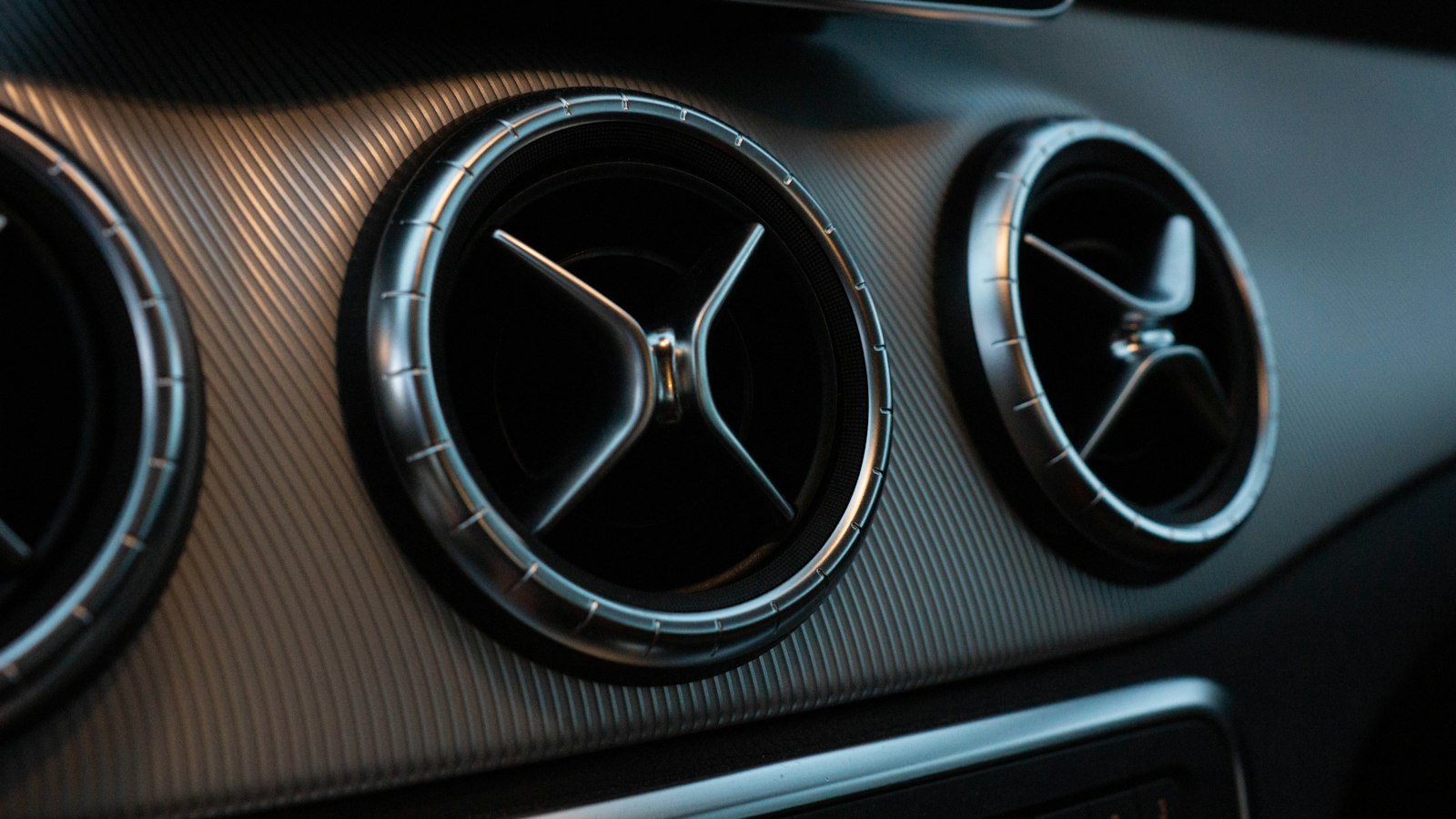
- The blower fan pushes cabin air across the hot heater core and out through your vents.
- Blend doors and your climate controls decide how much air passes over the heater core and where that air comes out.
That means almost every heater problem lives in one of three places:
- Heat supply (coolant, thermostat, heater core)
- Airflow (blower motor, resistor, cabin air filter)
- Controls (blend doors, buttons, fuses, wiring)
Keep those three buckets in mind. They make everything below easier to sort out.
Quick Symptom Checker: What Your Heater Is Telling You
Not sure where to start? Match what you’re noticing to the most likely cause.
| What you’re noticing | Most likely cause | Can you check it yourself? | Call a mechanic? |
|---|---|---|---|
| Cold air, engine temperature looks normal | Low coolant, clogged heater core, stuck blend door | Check coolant (engine cold) | Yes, if coolant is full |
| Cold air, temperature gauge stays low | Thermostat stuck open | Watch the gauge | Yes |
| Warm while driving, cold at idle | Low coolant, air in the system, weak water pump | Check coolant (engine cold) | Yes, if it keeps happening |
| Fan only works on high | Blower motor resistor | No | Yes, usually a quick fix |
| No air at any fan setting | Blower motor, fuse, or relay | Check the fuse | Yes, if the fuse is fine |
| Sweet, syrupy smell inside the car | Heater core leak | Feel for damp carpet | Yes, soon |
| Greasy fog on the inside of the windshield | Heater core leak | No | Yes, soon |
| Clicking or tapping behind the dash | Blend door actuator | No | Yes |
| Heat on one side only | Blend door actuator or low coolant | Check coolant (engine cold) | Yes |
The 7 Most Common Car Heater Problems
1. Low Coolant
This is the most common reason a heater blows cold, and it’s also the easiest to check. If there isn’t enough coolant in the system, not enough hot fluid reaches the heater core, so there’s nothing to warm the air.
To check it, wait until the engine is completely cold, then look at the coolant overflow tank under the hood. The level should sit between the “min” and “max” marks. Never open the radiator cap on a hot engine. The system is under pressure, and hot coolant can spray out and burn you.
One important catch: if you find yourself topping off coolant again and again, the coolant is going somewhere. A refill treats the symptom, not the cause. A leak in a hose, the radiator, the water pump, or the heater core needs to be found and fixed before it turns into an overheating problem. Regular cooling system checks during routine maintenance can catch slow leaks early.
2. A Thermostat That’s Stuck Open (or Closed)
The thermostat is a small valve that controls when coolant flows to the radiator. When it fails, it usually sticks in one of two positions:
- Stuck open: coolant flows to the radiator all the time, so the engine never fully warms up. Your heat stays lukewarm at best, and your temperature gauge sits lower than normal.
- Stuck closed: coolant can’t get to the radiator, so the engine overheats. At that point, it’s not just a heater problem. It’s a “pull over and call for help” problem.
Thermostat replacement is usually a shop job, because the cooling system has to be drained, refilled, and bled of air afterward.
3. A Clogged or Leaking Heater Core
The heater core can fail in two ways.
Clogged: Over time, rust, scale, and old coolant can build up inside the heater core and block flow. The engine warms up just fine, but the air from your vents never gets very hot.
Leaking: This one comes with some telltale signs:
- A sweet, syrupy smell inside the car
- A greasy film or fog on the inside of the windshield that keeps coming back
- Damp carpet on the passenger side floor
- Coolant that keeps disappearing with no puddle under the car
Don’t ignore a leaking heater core. RepairPal warns that breathing coolant vapor is harmful, and recommends rolling down your windows and getting the car in for repairs right away.
Heater core replacement is also one of the pricier heater repairs, mostly because of labor. Many vehicles need the dashboard partly or fully removed to reach it. According to RepairPal, the average heater core replacement runs between $1,322 and $1,845, and labor makes up a large share of that cost. That’s a big reason regular coolant service matters: clean coolant helps keep the heater core from clogging in the first place.
4. Air Trapped in the Cooling System
Air bubbles can get trapped in the cooling system after a coolant top-off, a hose replacement, or a coolant flush that wasn’t bled properly. Those air pockets block hot coolant from reaching the heater core.
Signs to watch for:
- A gurgling or sloshing sound from behind the dashboard
- Heat that comes and goes
- Heat that works while driving but drops off at idle
Bleeding the air out of the system is usually a quick fix for a shop.
5. A Bad Blower Motor or Blower Motor Resistor
If the engine is making plenty of heat but you’re not feeling much air, the problem is likely on the airflow side.
- Fan only works on high: This is the classic sign of a failed blower motor resistor, the part that controls your fan speeds. It’s one of the more affordable heater repairs.
- No air at all, on any setting: The blower motor itself may have failed, or there could be a blown fuse or bad relay. RepairPal puts the average blower motor replacement between $389 and $439.
- Squealing, rattling, or clicking from behind the glove box: The motor may be wearing out, or debris like leaves may have gotten inside.
While you’re at it, check your cabin air filter. A clogged filter cuts airflow and makes the blower work harder than it should.
6. A Stuck Blend Door or Bad Blend Door Actuator
The blend door mixes hot and cold air to hit the temperature you set. A small electric motor called an actuator moves it.
When the actuator fails, you might notice:
- A clicking or tapping sound behind the dash, especially when you change the temperature
- Air that’s stuck on one temperature no matter what you choose
- Warm air on one side of the car and cold air on the other
Here’s the tricky part: your engine and coolant can be in perfect shape, and you’ll still get cold air if the blend door is stuck on “cold.”
7. Controls, Fuses, and Electrical Glitches
Modern cars rely on electronics to run the climate control system. Sometimes the problem is as simple as a blown fuse. Other times, it’s a wiring issue or a failed control module.
Signs include dials that don’t respond, buttons that do nothing, or a touchscreen climate panel that freezes. A fuse is an easy check. Anything deeper usually takes diagnostic equipment to track down.
What You Can Safely Check Yourself
Before you call the shop, here are a few quick, safe checks:
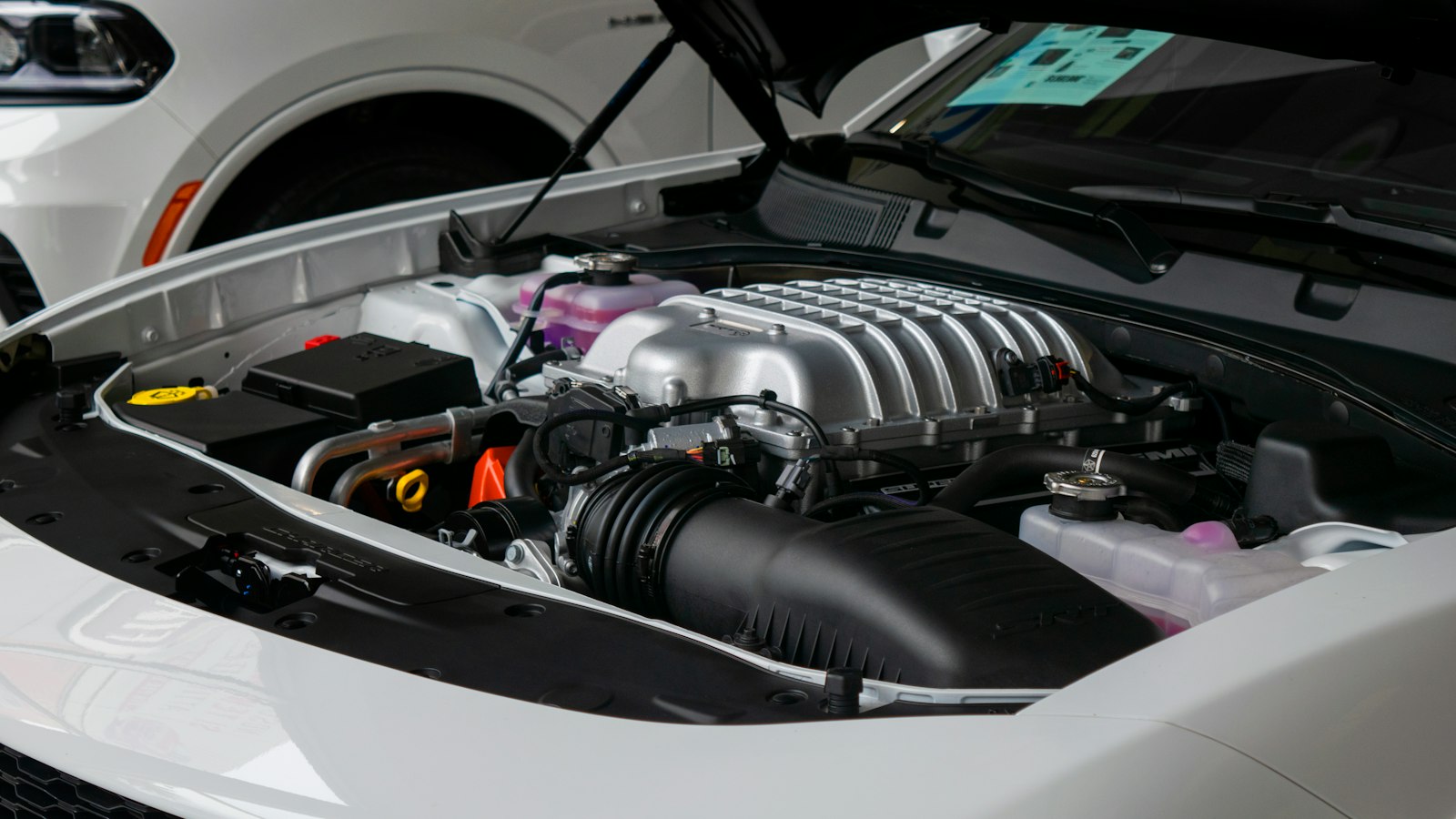
- Coolant level. Look at the overflow tank, but only when the engine is completely cold.
- Puddles. Look under the car for green, orange, or pink fluid spots.
- Carpet. Feel the passenger side floor for dampness.
- Fuses. Find the HVAC or blower fuse using the diagram in your owner’s manual.
- Cabin air filter. Many are behind the glove box and easy to inspect.
- Temperature gauge. After 10 to 15 minutes of driving, does it reach the middle like it normally does?
And a few things we’d steer you away from:
- Opening the radiator cap on a hot engine
- Mixing different types of coolant
- Using “stop leak” products as a permanent fix. They can buy time, but they can also clog small passages, including the heater core.
When to Call a Mechanic (Don’t Wait on These)
Some heater problems can wait a week. Some can’t. Here’s how to tell the difference.
🔴 Stop driving and call right away if:
- Your temperature gauge is climbing toward hot
- You see steam coming from under the hood
- You smell a strong, sweet coolant smell inside the cabin
- Your defroster can’t keep the windshield clear
🟡 Book a visit this week if:
- You keep having to add coolant
- A sweet smell comes and goes
- Your heat only works while you’re driving
- Your fan is stuck on one speed
🟢 Mention it at your next service if:
- Your heat feels a little weaker than it did last winter
- You hear occasional clicking behind the dash
Why take heater problems seriously? Because many of them are cooling system problems in disguise, and a cooling system problem can leave you stranded. Cars.com, citing AAA data, lists engine cooling system failures among the three biggest causes of breakdowns. It also notes that more than two-thirds of AAA’s roadside calls involved vehicles at least 10 years old.
Get Your Heat Back Before the Next Cold Snap
Utah winters don’t leave much room for a weak heater. Between early canyon commutes, frosty windshields, and inversion-season mornings, you need heat and a defroster you can count on.
At Markosian Tire and Service, our technicians handle AC and heating service for most makes and models. We’ll find out what’s actually causing the problem and explain it in plain terms before any work starts, so you’re never paying for parts you don’t need.
Ready to get warm again? Schedule service at our Taylorsville or Tooele shop and we’ll take it from there.
Frequently Asked Questions
Why is my car heater blowing cold air?
The most common causes are low coolant, a thermostat stuck open, a clogged heater core, or a blend door stuck on cold. Start by checking your coolant level with the engine cold. If the coolant is full and your temperature gauge reads normal, the problem is likely behind the dash and needs a diagnosis.
Is it safe to drive with a broken car heater?
Sometimes. A dead blower fan is mostly a comfort and defrosting issue. But if your temperature gauge is rising, you smell coolant inside the car, or your defroster can’t clear the windshield, stop driving and have it checked. Those signs point to a cooling system problem or a visibility hazard.
Why does my car heater only work when I’m driving?
Heat that fades at idle and comes back when you drive usually points to low coolant, air trapped in the cooling system, or a weak water pump. All three mean coolant isn’t moving well at low engine speeds.
Why does my car smell sweet when the heat is on?
A sweet, syrupy smell is a classic sign of a leaking heater core, which lets coolant into the cabin air. Roll down your windows and have it inspected soon, since coolant fumes aren’t safe to breathe.
Why does my car’s fan only work on the highest setting?
That’s almost always a failed blower motor resistor. It’s one of the more affordable heater repairs and is usually a quick fix.
How much does it cost to fix a car heater?
It depends on the cause. A blown fuse or a coolant top-off can cost very little. A blower motor resistor is usually a modest repair. A heater core replacement is one of the more expensive jobs because of the labor involved. Getting a proper diagnosis first keeps you from paying for parts you don’t need.