

Why Does My Car Shake When I Brake? Common Causes, Warning Signs & When to Get It Checked
If your car shakes, shudders, or vibrates when you hit the brakes, you’re not imagining it. This is one of the most common brake complaints we hear. The good news: it’s usually easy to diagnose, and most causes are fixable without breaking the bank.
This guide covers what’s likely causing the shake. It also covers how to tell if it’s safe to keep driving, and what to expect if you bring it in.
Is It Safe to Keep Driving?
In most cases, a little shake or vibration isn’t an emergency. But a few signs mean you should stop driving and get help right away:
- The brake pedal goes soft, spongy, or sinks toward the floor
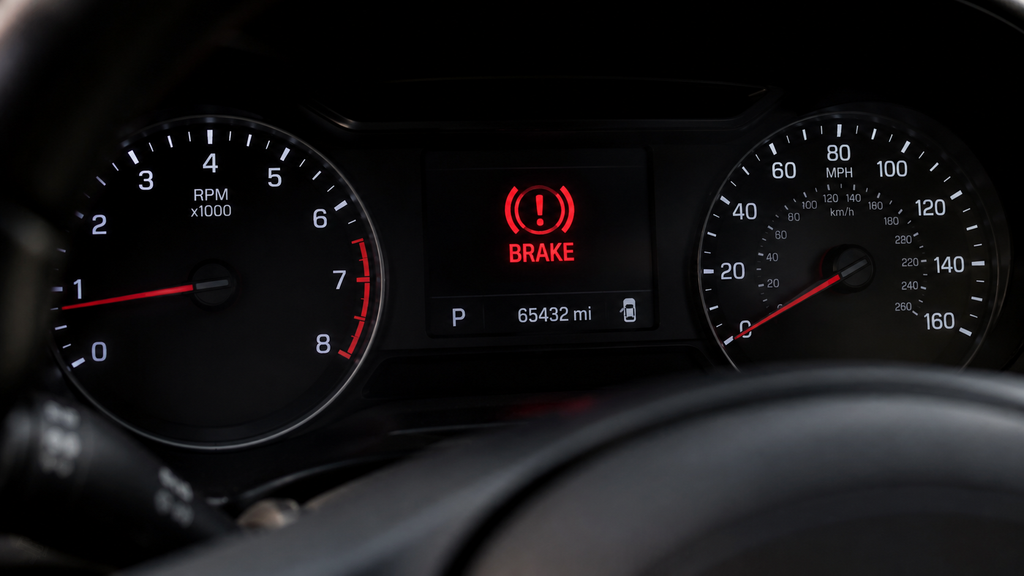
- A red brake warning light stays on
- It takes noticeably longer to stop than normal
- You smell burning or see smoke near a wheel
If none of those apply, it’s still worth getting checked soon. Vibration tends to get worse over time, and the longer it sits, the more parts it can wear out.
Common Symptoms & What They Point To
Steering Wheel Shakes When You Brake
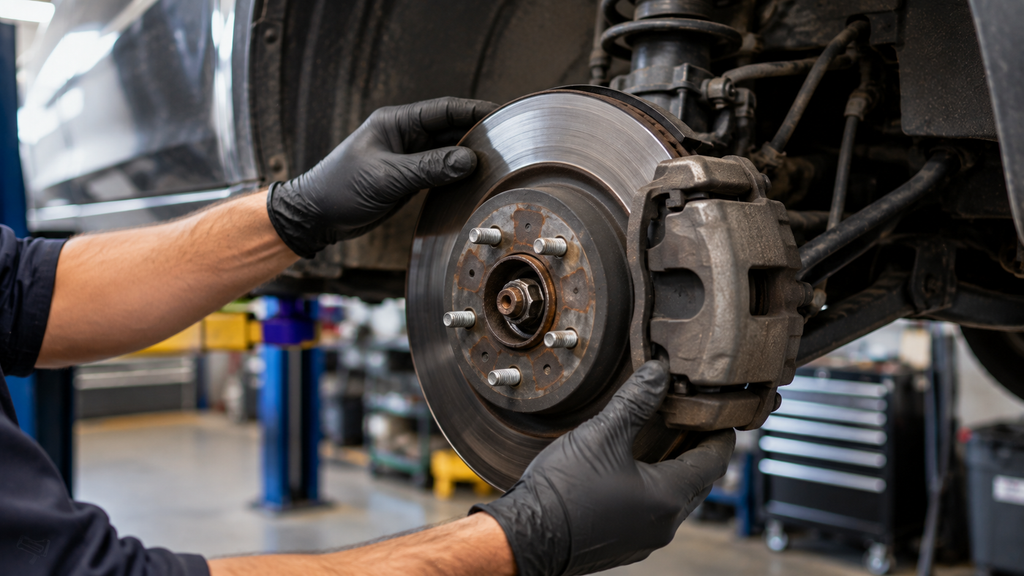
If the shake shows up mainly in the steering wheel, it usually points to a problem with the front brake rotors.
Brake Pedal Pulsates
If you feel a pulsing or throbbing through the pedal itself, that often points to the rear rotors instead.
Whole Car Shakes or Wobbles
A shake you feel through the whole car, seat and all, can point to rotors, worn suspension parts, or a wheel that’s out of balance.
Car Pulls to One Side While Braking
Pulling during braking is often a sign of uneven brake wear, a sticking caliper, or an alignment issue.
What’s Really Behind “Warped” Rotors
Most people blame a shaking brake pedal on “warped rotors.” But true bent, physically warped rotors are actually rare. What’s really going on usually has a different name: Disc Thickness Variation, or DTV. This just means the rotor surface has high spots and low spots. Sometimes the difference is only a few thousandths of an inch. That tiny unevenness is enough to cause a noticeable shake.
DTV usually comes from:
- Heavy, repeated braking that builds up heat
- Brake pad material transferring unevenly onto the rotor
- Lower-quality pads or rotors that wear unevenly
- A hot rotor hitting cold water or a sudden temperature change
Other Causes That Feel Like Brake Problems
Not every shake is really a brake problem. A few other issues can feel almost identical:
- Uneven or worn brake pads. Pads that wear unevenly can cause the same pulsing feeling as a rotor issue.
- Wheel or tire imbalance. An unbalanced wheel can cause vibration, especially at higher speeds, and it can feel worse when you brake.
- Alignment problems. Alignment issues often show up as pulling, but can also add to a vibrating feeling.
- Worn suspension parts. Worn shocks, struts, or bushings can make normal braking feel bouncier or shakier than it should.
This is exactly why a real inspection matters. Guessing at the cause can mean paying for a part that wasn’t even the problem.
Steering Wheel Shake vs. Pedal Pulsation — Front or Rear?
Here’s a simple rule of thumb: steering wheel shudder usually points to the front rotors. Pulsation felt only in the pedal more often points to the rear rotors. It’s not a perfect rule every time, but it’s a good starting point.
How Markosian Diagnoses Brake Vibration
Instead of guessing, our brake repair and service team starts with a full inspection. That means checking:
- Brake pads and how evenly they’ve worn
- Rotor condition and surface wear
- Calipers, to make sure they move and release properly
- Brake fluid condition and level
- Overall brake pedal feel, stopping response, and any pulling
We also use our diagnostic equipment to catch issues that aren’t obvious from a visual check alone. If the shake seems tied to pulling or uneven tire wear, we’ll take a look at alignment too. Brake and alignment symptoms often overlap.
Diagnosis-first matters because it keeps you from paying for parts you don’t actually need. If the rotors are fine and the real issue is a worn suspension bushing, replacing rotors won’t fix the shake.
What Repairs Might Be Needed (and Roughly What They Cost)
Depending on what we find, the fix could be:
- Rotor resurfacing. Machining the rotor surface back to flat and even, when there’s enough material left.
- Rotor replacement. Needed when rotors are too thin or too worn to resurface.
- Brake pad replacement. Especially if pads are worn unevenly or adding to the shake.
- Wheel balancing or alignment. For when the vibration is really coming from the wheels or steering, not the brakes at all.
Costs vary a lot depending on your vehicle and what’s actually needed. That’s exactly why we inspect first and explain what we find before recommending any repair.
When to See a Professional
Get your brakes checked soon if:
- You feel shaking or vibration in the pedal or steering wheel while braking
- Your car pulls to one side when you brake
- It’s been a while since your last brake inspection
- You’ve noticed any of the “stop driving” warning signs listed above
Are your brakes trying to tell you something? Schedule a professional brake inspection with Markosian Tire & Service. Our technicians will pinpoint the real cause and walk you through your options — no guessing, no upsell, just an honest answer.
FAQ
Why does my steering wheel shake when I brake?
This usually points to uneven wear on the front brake rotors. A technician can confirm by inspecting the rotor surface directly.
Can bad brake pads cause shaking?
Yes. Pads that wear unevenly, or pads that are the wrong grade for your vehicle, can create a pulsing or shaking feeling similar to a rotor problem.
Are warped rotors dangerous?
They can reduce your stopping performance and make the car harder to control during hard braking, so it’s worth having them checked rather than ignored.
How much does it cost to fix brake vibration?
It depends on the cause — a simple pad replacement costs less than rotor resurfacing or replacement. An inspection is the best way to get an accurate number for your vehicle.
Can I drive with vibrating brakes?
Mild vibration usually isn’t an emergency, but it tends to get worse over time. If you notice a soft pedal, a warning light, or longer stopping distances, stop driving and get it checked right away.
Can wheel alignment cause vibration when braking?
Alignment issues are more commonly linked to pulling than shaking, but they can contribute to an overall rough or uneven feeling when you brake.
If you’re unsure whether your vehicle is safe to drive, contact our team before the problem becomes more expensive or affects your safety.